The Hospital Bag, Packed by Someone Who Forgot Things
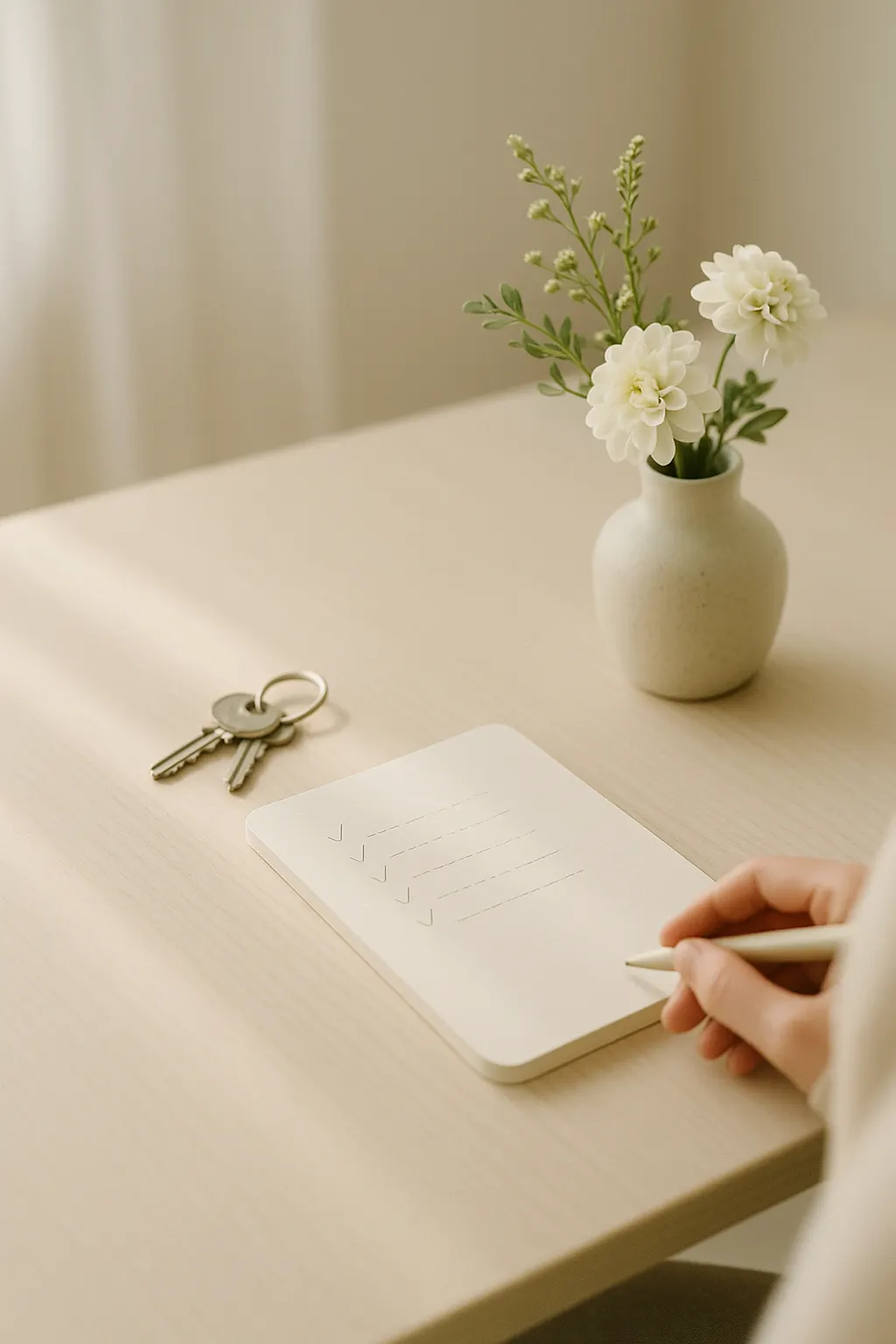
The bag is sitting on your bedroom floor, half-packed, zipper open. You added some things to it last week. You meant to finish it this week. You are now 36 weeks along and fairly certain you have forgotten something, but you do not know what.
The hospital bag checklist India versions are not hard to find. Type it into any search and you will get a list. Usually a long one. What the list does not tell you is which things actually matter when you are tired and in labour, what will feel important at 2am in a ward that may or may not have a shop nearby, and what almost everyone forgets because it seems obvious.
This is the version from someone who has seen the lists, missed a few things anyway, and learned what actually helps.
When to pack it
The standard advice is somewhere between 34 and 36 weeks. That is the right window, for one simple reason: things can move faster than expected in the last weeks of pregnancy, and a packed bag means you can leave without having to think.
You do not need to pack it all at once. Start a pile. Add things over a week as you think of them. By 36 weeks, close the zipper and leave it by the door.
If you are not sure whether what you are feeling is labour starting, Seri Bloom can help you think it through on WhatsApp, at any hour. She will not replace your doctor, but she will help you decide whether to call.
What you need: for yourself
This is the core list. Every item here earns its place.
Documents, first.
- Pregnancy health card or maternity record
- Any scan reports your hospital has asked for
- Government ID for admission
- Health insurance card and pre-authorisation letter if your hospital requires it
- Any birth plan you have written, printed
Put all of this in a clear plastic folder in the bag. In the hours around delivery, nobody wants to dig.
Clothes and comfort.
- Two or three front-open nightgowns or kurtas. The standard hospital gown is functional but cold. Your own clothing is better for the hours after delivery.
- A warm shawl or light blanket. Hospital air conditioning is often on high regardless of the weather outside.
- Comfortable underwear, a size up from usual. Postpartum, you will want room.
- Maternity pads, at least a full pack. Some hospitals provide these; many do not. Bring your own.
- Flip-flops or hospital slippers. The floor of a hospital room is not somewhere you want bare feet.
For the hospital stay.
- A phone charger and a power bank. Labour can be long. You will want both.
- Earphones, if music or podcasts help you settle.
- A small toiletries bag: toothbrush, toothpaste, face wash, a basic moisturiser. Nothing elaborate. You will not feel like elaborate.
- A lip balm. Labour rooms are often dry. This sounds trivial until hour seven.
- Snacks for yourself and your partner. Hospital food has limited hours. Biscuits, nuts, or something that keeps matter.
- Cash in small denominations. There are often incidental payments at discharge that need to be handled quickly.
The bag should assume you might be gone for three days and too tired to care about anything except the basics. Pack for that version of yourself.

What you need: for the baby
Most hospitals in India will have a receiving blanket and a basic swaddle for the first hours. But for the stay and for coming home, you will want:
Three to four cotton jhablas or onesies, newborn size. Babies are often smaller than expected. Bring newborn size even if everyone tells you the baby will skip it.
Two or three thin muslin swaddle cloths. Useful for swaddling, for covering during feeds, for laying the baby on during diaper changes.
A receiving blanket for the drive home, depending on the weather.
Diapers, newborn size. Some hospitals provide a starter supply. Many do not. Bring at least half a pack.
Cotton balls or gentle baby wipes for early diaper changes. Newborn skin is sensitive enough that some hospitals prefer cotton and warm water in the first days.
A car seat, fitted before you leave for the hospital. In India this is not always the default habit, but bringing a newborn home in a car without a properly fitted car seat is genuinely dangerous. Set it up in the back seat before 36 weeks.
What you need: for your partner or support person
Often forgotten entirely.
- A change of clothes
- Snacks and a refillable water bottle
- A phone charger
- Something to occupy the waiting: a book, downloaded shows, whatever they actually use
Labour is long. Your support person cannot be useful if they are hungry, uncharged, and wearing the same clothes they arrived in two days ago.
The things that get forgotten
Here is the actual list. These are the things that do not make it into the standard checklist because they seem either obvious or trivial.
The phone charger. Everyone says it, everyone still forgets it. Yours, your partner's, both.
Small change and small notes. The first time you need forty rupees for a parking token at 5am with a three-hour-old baby, you will understand.
Thick postpartum maternity pads. Not the regular ones. The thicker, hospital-grade ones for the first days. Available at most Indian pharmacies; often not available at the hospital shop when you need them.
A notebook and pen. In the first days, you will be told a lot: feeding schedules, discharge instructions, when to come back, what to watch for. A phone is fine, but a notebook is faster when you are half-asleep.
Your own pillow. Optional, but if you are a light sleeper, your pillow from home is a meaningful comfort in a ward where you will not be sleeping much anyway.
A photocopy of all documents. Leave a second set at home, with someone who can bring them if needed.
Confirmation of your paediatrician. In many Indian hospitals, a paediatrician checks the baby within the first 24 hours. Know in advance whether your hospital arranges this or whether you are expected to name your own.

When to actually call the doctor
The bag being ready does not mean you are in labour. But these are the signs to call your care team, not wait until morning:
- Regular contractions coming closer together, regardless of whether they feel strong enough
- Your water breaking, even if contractions have not started
- Reduced baby movement after 28 weeks
- Heavy bleeding
- A sudden severe headache, blurry vision, or swelling in your hands and face
- Anything that simply does not feel right
When in doubt, call. Your care team will not mind.
Using Seri Bloom for the last weeks
The stretch between 34 and 40 weeks can feel like a lot. You are tracking movement, monitoring symptoms, finishing the bag, trying to rest, and fielding everyone's opinions about when the baby is coming.
Seri Bloom is in your WhatsApp through all of it. You can send a message about a symptom, ask whether something feels like a contraction, run through the bag list, or just talk through what is sitting on your mind at 11pm. She remembers where you are in your pregnancy and what you have been dealing with. She will not replace your doctor, and she will tell you clearly when to call one.
If you want to understand what to expect from your baby's movement in these final weeks, How Much Should Your Baby Move? covers the daily patterns from late pregnancy onwards.
Questions that come up a lot
What should be in a hospital bag checklist for India?
The essentials are your pregnancy health card and documents, front-open nightgowns for yourself, thick maternity pads, a full change of clothes for your partner, cotton jhablas and diapers for the baby, a phone charger and power bank, and any specific items your hospital has listed. Check with your hospital in advance whether they provide things like diapers, swaddles, and sanitary pads, as this varies considerably by hospital.
When should I pack my hospital bag in India?
Between 34 and 36 weeks is the standard window, though packing earlier is perfectly fine if it makes you feel more prepared. After 36 weeks, things can move faster than expected, and having the bag ready means you can leave without having to think. Set it by the door once it is packed.
What documents do I need for hospital admission during delivery in India?
The core documents are your pregnancy health card or maternity record, any required scan reports, a government ID, health insurance paperwork if applicable, and any birth plan you want on file. Put these in a clear folder in your bag from the start, so they are easy to hand over at admission.
Can my partner stay with me in the hospital during labour in India?
This depends on the hospital. Private hospitals in India generally allow one support person to stay during labour and for the duration of your stay. Government hospitals vary, and policies change. Call your hospital in advance to ask specifically, and do not assume.
What should I pack for a newborn at the hospital in India?
For the baby, bring three to four newborn-size cotton jhablas or onesies, two or three muslin swaddles, a pack of newborn diapers, and cotton balls or gentle wipes. Even if your hospital provides some of these, having your own supply means you are not depending on what is available at the hospital shop at any given hour.
Do I need to bring a car seat to the hospital in India?
Yes. Fitting a rear-facing infant car seat before you leave for the hospital is one of those things that is easy to overlook until you are standing in the hospital car park with a newborn. Set it up in the back seat before 36 weeks, check that it is fitted correctly, and have someone verify the fit before you drive home.
Seri Bloom shares general guidance and is not a substitute for your doctor, midwife, or care team. For any symptoms that concern you in late pregnancy, please contact your care provider right away.