Why Is My Baby Crying? A Calm Decoder for the First Months
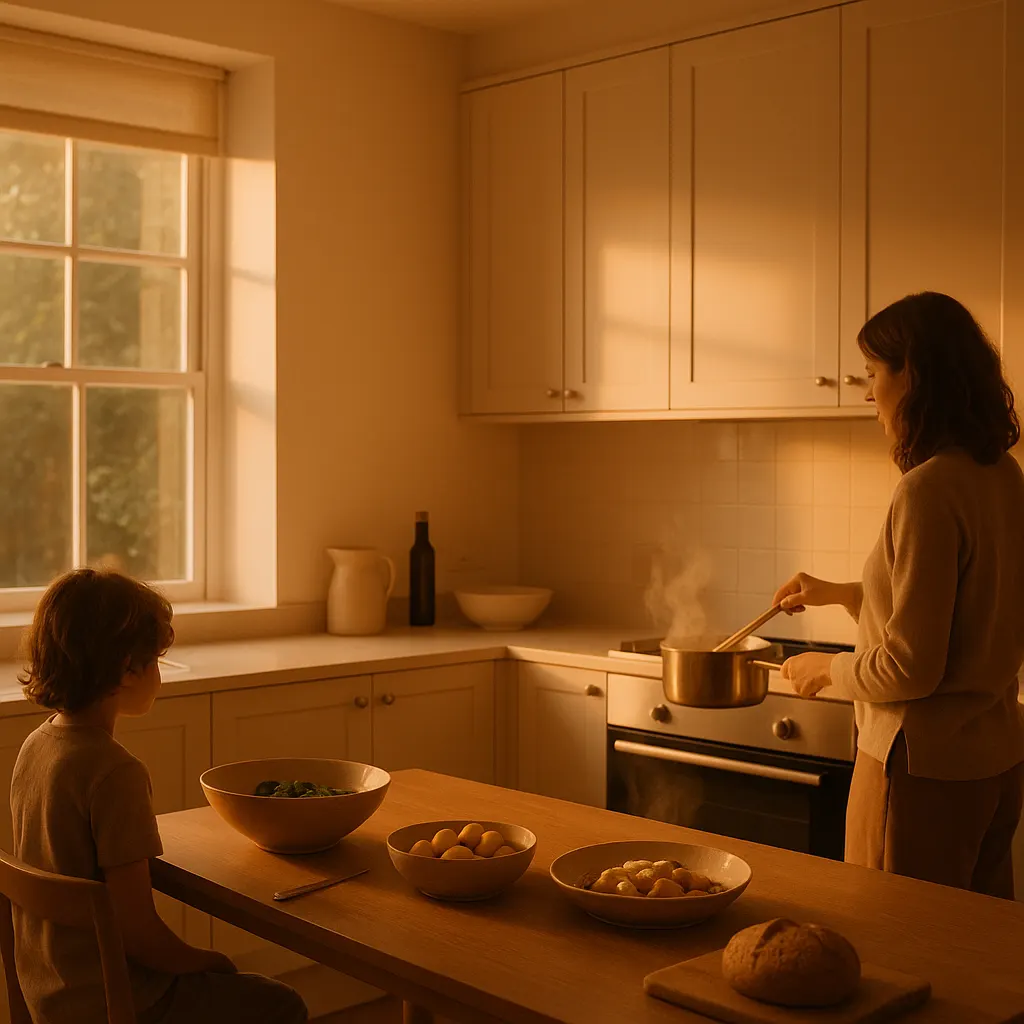
It's 6pm, the baby has been fed, changed, and held for the last forty minutes, and the crying hasn't let up for a second. You've run through everything you know. Nothing is working. You start to wonder if something is actually wrong.
Why is my baby crying is one of the most searched questions in the first months of a baby's life, and for good reason: newborns cry a lot, they cry for reasons that overlap and contradict each other, and they can't tell you which one it is. Crying is the only language available to them. It's how a hungry baby, a tired baby, and an overstimulated baby all sound, at least until you learn to tell them apart.
Most crying is not a sign that something is wrong. Here's how to work through it.
The five things to check first
Before anything more complicated, run through the basics. In the newborn months, crying usually traces back to one of these:
- Hunger. The most common cause, especially since newborn stomachs are tiny and empty out fast. Rooting, hand-to-mouth movements, and smacking lips often show up before the crying does.
- A wet or dirty nappy. Simple, easy to miss when you're tired, worth checking every time.
- Tiredness. Overtired babies don't drift off quietly. They often cry harder the longer they stay awake past their window, which can feel backwards if you're expecting sleepy to look calm.
- Wanting to be held. Newborns spent nine months in constant contact. Open space can feel unsettling. Being upright against a chest, with a heartbeat nearby, often settles a cry that nothing else touches.
- Too hot, too cold, or an itchy tag. A hand on the back of the neck tells you more than a thermometer at this stage. Clammy means too warm, cool means add a layer.
Working through this list in order, feed, check, hold, adjust, solves most crying within a few minutes. When it doesn't, that's when the harder-to-place crying starts, and it's worth knowing that's normal too.
The witching hour, and why it isn't your fault
If the crying reliably gets worse in the late afternoon or early evening, you've met what parents call the witching hour. It tends to arrive around two to three weeks and can stretch on through the third month, often clustering between 5pm and 11pm, right when everyone in the house is also running lowest on patience.
Nobody has a fully settled explanation for why it happens. The leading theories point to a newborn's nervous system genuinely being overloaded by day's end, a full twenty-four hours of new sights, sounds, and sensations finally spilling over with nowhere else to go. Some of it may also be digestive, since gas and fussiness often show up together in this window.
The witching hour isn't a parenting problem to solve. It's a phase to get through, and it does end, usually by around three to four months.
Knowing it's coming changes how it feels to live through. It stops being evidence that you're doing something wrong and starts being a predictable stretch of the day you can plan around, even if you can't shorten it.
A rough decoder for different cries
Cries aren't identical, even if they can sound that way at 2am. A few patterns tend to hold:
A short, rhythmic cry that builds gradually usually means hunger. It often starts as fussing and escalates if the feed doesn't come.
A sudden, sharp, high-pitched cry is more often pain, from gas, a pinch of clothing, or something startling. It tends to come on fast rather than build.
A whiny, grating cry with rubbing eyes or yawning points to tiredness. This one gets louder, not calmer, if you try to keep the baby awake.
A piercing, inconsolable cry that goes on for hours, often in the evening, in a baby who otherwise feeds and grows well, fits the pattern people call colic. It's frustrating and exhausting, but on its own it isn't a medical emergency.

None of this is a diagnosis, more a starting point for narrowing things down. Over the first weeks you'll build a much better ear for your own baby's specific cries than any general guide can offer.
What actually helps in the moment
Once you've ruled out hunger, a nappy change, and an obvious discomfort, a few things tend to calm a crying newborn:
- Motion. Rocking, walking, a gentle bounce, or a car ride. Newborns are used to constant movement from the womb, and stillness can be the unfamiliar part.
- Swaddling. A snug wrap restrains the startle reflex that can jolt a tired baby back awake just as they're settling.
- White noise. Womb sounds were loud, closer to a vacuum cleaner than a quiet room. A steady hush or fan noise can be more soothing than silence.
- Sucking. A feed, a clean finger, or a dummy if you've introduced one. The sucking reflex is calming on its own, separate from hunger.
- A change of scene. Sometimes stepping outside, or just into another room, resets things for both of you.
None of these work every time, and trying five things in two minutes can leave a baby more overstimulated, not less. Pick one, give it a real minute or two, then try the next if it isn't landing.
When it's not "just crying"
Most newborn crying, even the exhausting evening kind, is developmentally normal. But a few signs are worth a call to your pediatrician rather than another lap around the living room:
- A fever, especially in a baby under three months
- Crying that sounds different, weaker or more high-pitched than usual
- A baby who is difficult to console no matter what you try, for an unusually long stretch
- Vomiting, blood in the stool, or a swollen or tender belly
- Fewer wet nappies than expected, or signs of dehydration
- A baby who seems unusually limp, floppy, or hard to rouse
Trust the instinct that something is off, even if you can't name exactly what. Pediatricians would always rather field a call that turns out to be nothing than have a parent sit on a real concern out of worry it isn't serious enough to mention.
You don't have to decode this alone
The exhausting part of newborn crying isn't just the noise. It's doing the detective work at 2am with a foggy brain, wondering if this cry is the normal kind or the kind that needs a doctor. Seri Bloom is there on WhatsApp through those early months, a place to talk through what you're seeing in plain language and get pointed clearly toward your pediatrician whenever that's the right next step.
For more on the early weeks nobody quite prepares you for, the honest notes on breastfeeding in the first weeks and the piece on telling baby blues from something that needs more support cover two more things that tend to arrive around the same time as the crying.
Questions that come up a lot
Why does my baby cry more in the evening?
This is the witching hour, a common stretch of fussiness that tends to peak between about 5pm and 11pm from roughly two weeks to three months old. It's thought to be a newborn's nervous system settling after a full day of stimulation. It's exhausting but not a sign of a problem, and it generally eases on its own by around the fourth month.
How long is too long for a baby to cry?
There's no fixed cutoff, but if crying continues for hours despite feeding, changing, and comforting, or if it's paired with fever, vomiting, or unusual limpness, it's worth calling your pediatrician rather than waiting it out. Trust your read on whether this crying feels different from your baby's usual pattern.
Does swaddling actually help with crying?
For many newborns, yes. Swaddling restrains the startle reflex that can wake a baby just as they're drifting off, and the snugness can mimic the closeness of the womb. Stop swaddling once your baby shows signs of rolling, usually around two to three months, since it becomes a safety risk at that point.
Why won't my baby stop crying even after feeding and changing?
Once the basics are covered, tiredness, overstimulation, gas, or wanting to be held are the next most likely causes. Try one soothing approach at a time rather than several at once, since stacking too many changes together can add to the overstimulation rather than easing it.
Is colic real, and how do I know if my baby has it?
Colic is a real, recognised pattern: intense, hard-to-console crying for extended periods, often in the evening, in a baby who is otherwise healthy, feeding, and gaining weight. It's frustrating to live through but not dangerous on its own, and it typically resolves by around three to four months.
When should I call the doctor about crying?
Call promptly for a fever in a baby under three months, a cry that sounds weaker or different than usual, vomiting or blood in the stool, a swollen or tender belly, fewer wet nappies than expected, or a baby who seems unusually floppy or hard to wake. When in doubt, the call itself is worth making.
Seri Bloom shares general guidance and is not a substitute for a doctor or pediatrician. If your baby shows any signs of fever, dehydration, unusual limpness, or a cry that feels different from their normal pattern, please contact your pediatrician or emergency services right away.