How to Look After a Plaster Cast at Home
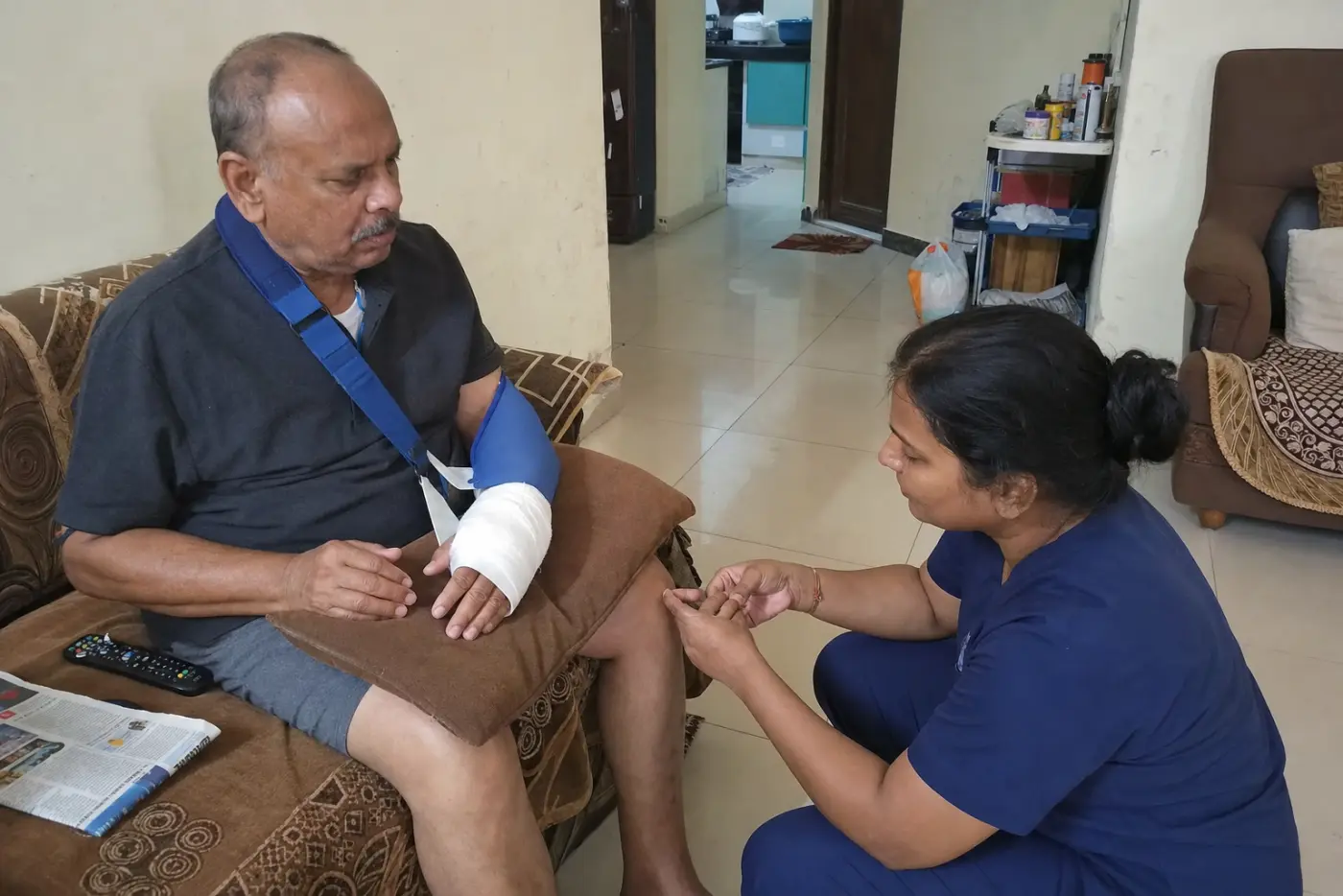
The first night with a new plaster is usually the hardest. The arm throbs, the cast is heavier than anyone expected, and someone in the house is sure it's too tight. Most of that is normal for a day or two. Some of it isn't, and telling the two apart is what this post is mostly about.
How long does a plaster cast take to dry?
Plaster of Paris feels hard within minutes but stays soft deeper down for a day or two, longer in damp weather. Fibreglass sets much faster. Until it's dry, rest it on a pillow, not a table edge or the arm of a chair, because a dent pressed into soft plaster stays there and digs into the skin. Leave it uncovered so the air can get to it.
How do I bring the swelling down in the first few days?
Keep it raised. For the first two or three days the injured arm or leg should spend most of its time on pillows, higher than the heart if you can manage it. With a wrist cast, the hand rests higher than the elbow. With an ankle cast, lie back with the foot on two or three pillows. A foot on a low stool isn't high enough.
Every hour or so while they're awake, get them to open and close the hand fully, or curl and stretch the toes. It helps the swelling go down and stops the joints going stiff. Move the joints outside the cast too. Older people especially can end up with a stiff, painful shoulder after weeks of keeping an arm still in a sling.
If rings, bangles or toe rings are still on the injured side, take them off before the swelling makes it hard.
For pain, give what the doctor prescribed, the way they prescribed it. If it isn't helping, tell the doctor rather than adding something else.
How do I keep a cast dry while bathing?
Wet plaster goes soft and stops holding the bone. Wet padding underneath stays damp against the skin for days, which can make it sore or infected. Unless the doctor has told you the cast is waterproof, treat it as one that can't get wet at all.
For most families the easiest way is a bucket bath, sitting on a plastic stool. Wrap a small towel around the limb just above the cast, cover the whole cast with a plastic bag (two is better), and seal the top over the towel with a rubber band or tape. The towel catches drips and stops the band pressing into the skin. Keep the arm or leg out of the way while they wash, and never put the cast in water, even with the bag on. Reusable cast covers, sold online and in some pharmacies, seal better than a bag if the cast is on for weeks.
If a little water gets on the outside, pat it dry and blow cool air over it. If it's been soaked, feels soft anywhere, or stays damp inside, call whoever put it on.
Why does my cast itch so much, and how can I scratch it?
Itching is very common, usually worse in the second week, at night and in hot weather. The skin underneath still sweats and sheds, and there's nowhere for any of it to go.
Blowing cool air into the top of the cast helps, with a hair dryer on the cool setting or a table fan. So does tapping gently on the outside over the itch.
Please don't push anything inside. Pencils, knitting needles, the back of a comb. Nearly everyone tries it. It scratches skin nobody can see, and a scratch under a cast can get infected without anyone noticing until there's a smell. Don't put powder or cream inside either, it clumps and rubs.
If the itch turns into a burning feeling in one spot, mention it. Skin being pressed by the cast can feel like that.
How do I know if a cast is too tight?
This matters most in the first two days, when the swelling is at its worst and the cast can't stretch with it.
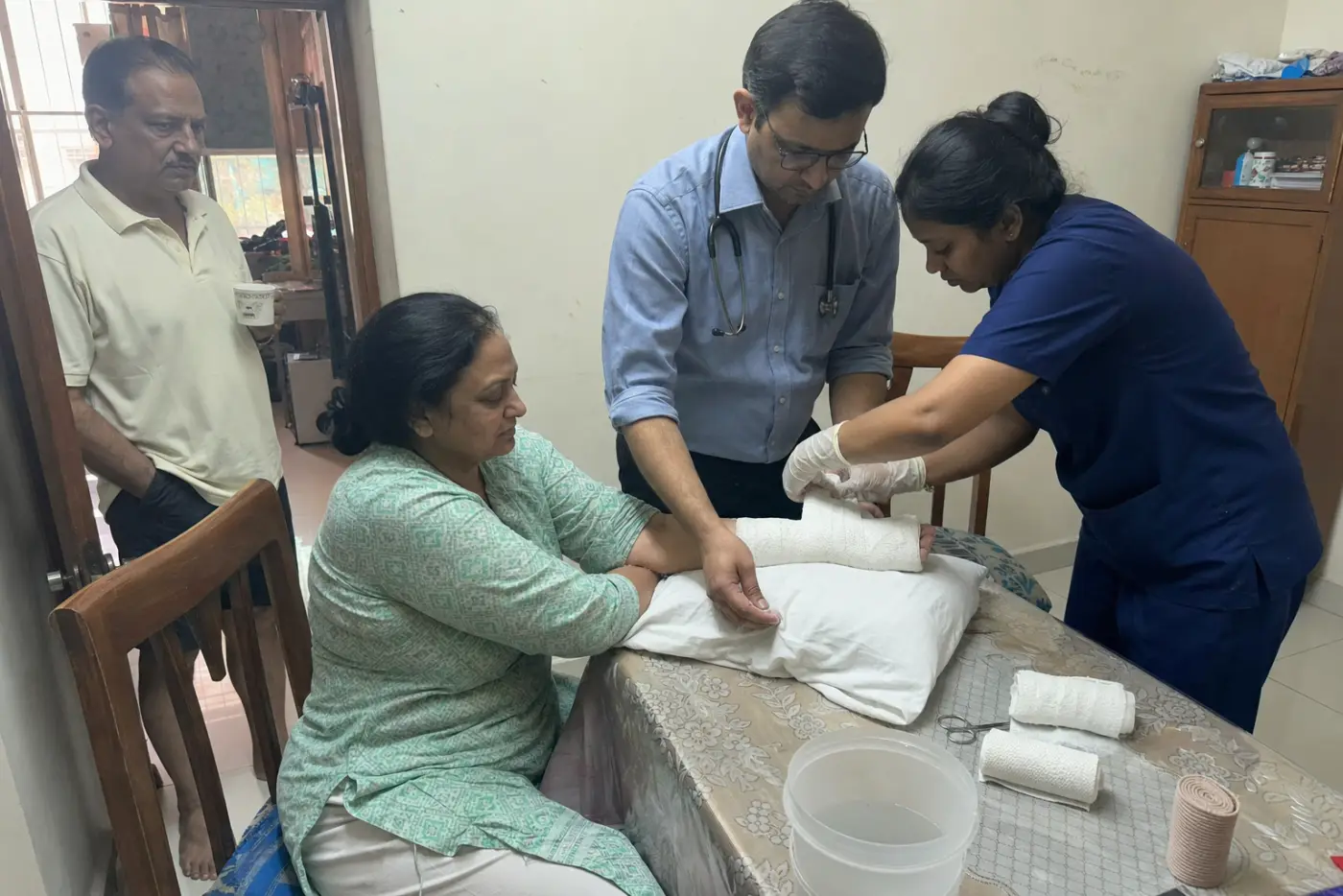
Check the fingers or toes a few times a day and compare them with the other side. Press a nail until it goes white, then let go. The pink should come back within a couple of seconds.
If the cast feels tight, raise the limb above the level of the heart for half an hour and keep moving the fingers or toes. Loosen anything else that's pressing, like a sling strap. Quite often that's enough.
It needs checking straight away if, after that half hour:
- the fingers or toes are still numb, tingly or full of pins and needles
- they look pale, white or blue, or feel colder than the other side
- they're very swollen, or the person can't move them
- the pain keeps getting worse instead of better, particularly when they move their fingers or toes
If our team put the cast on through fracture care at home, call us, we're there from 8am to 8pm. Outside those hours, go to a hospital emergency rather than waiting for the morning. A cast that's too tight can cut off blood flow, and that can't wait. Please don't try to cut or loosen it yourself.
What else should I watch for while the cast is on?
Call the doctor the same day for a bad smell or discharge from the cast, a fever, or a new sore or burning spot. The same goes if it cracks, goes soft, or gets so loose the limb moves around inside it, which sometimes happens after a week or two as the swelling goes down.
A rough edge rubbing near the thumb or the top of the foot can be padded with soft tape or folded cloth. Don't trim it.
People in a leg cast are a little more likely to get a blood clot, so new pain or swelling above the cast should be checked that day. Sudden breathlessness or chest pain is an emergency. Call 108.
Can I walk on a leg cast?
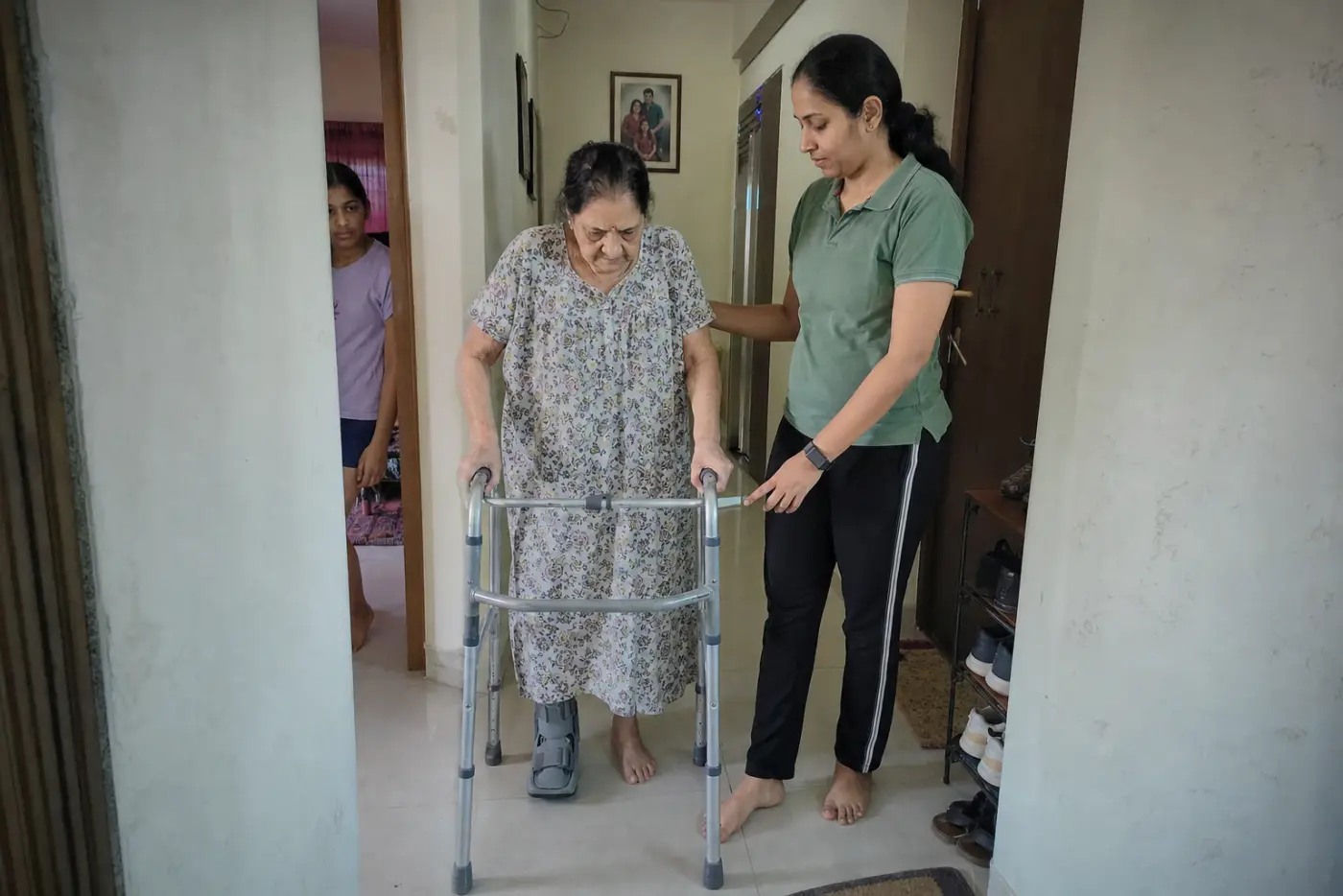
Only if the doctor has said so. Many plasters aren't made for walking, and putting weight on one too early can crack it or move the bone.
How long does a cast stay on?
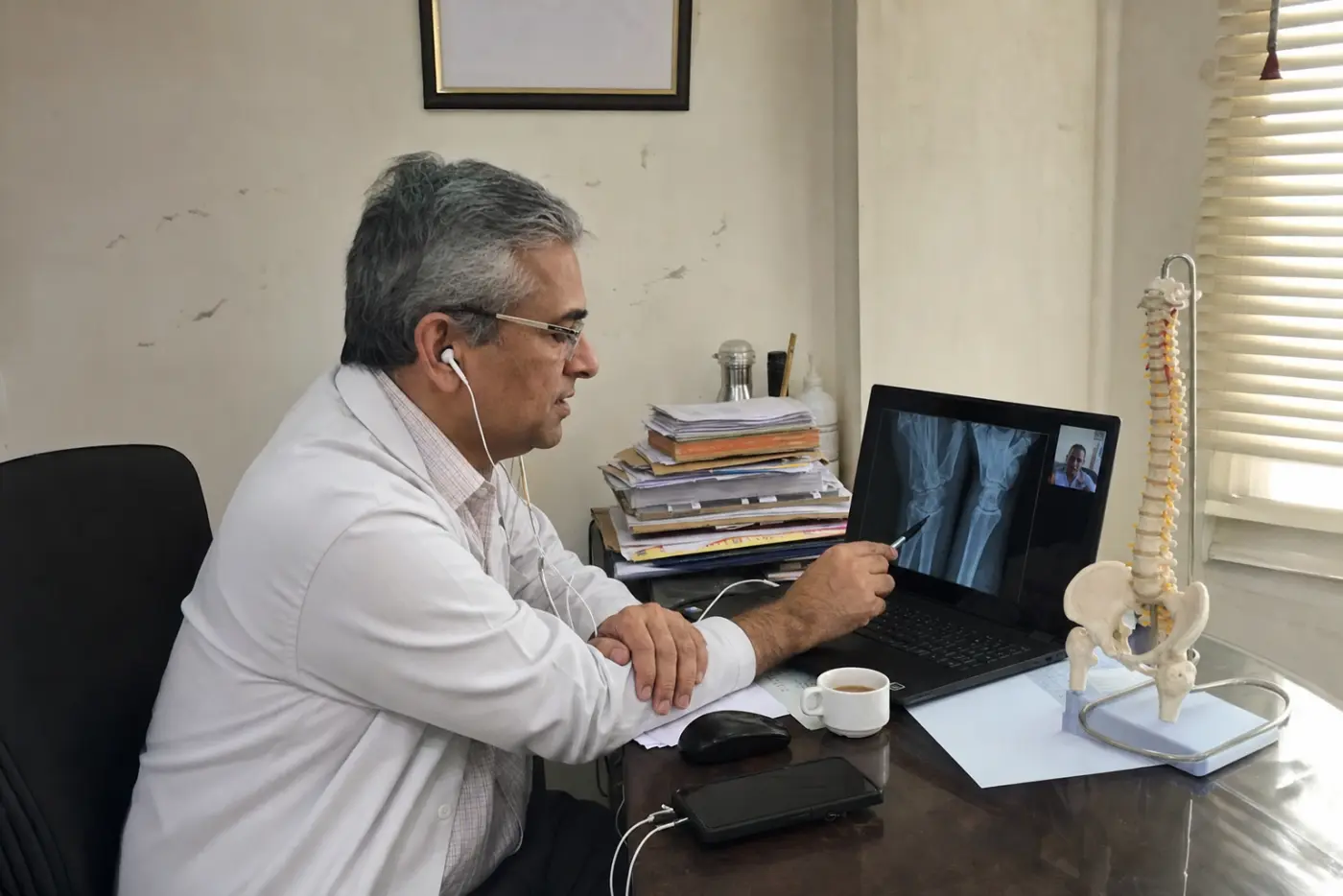
Most simple wrist and ankle fractures spend about six weeks in a cast. Older bones and bigger bones usually take longer. The orthopaedic doctor decides when it comes off, based on a check X-ray, and that X-ray doesn't have to mean managing the stairs and an auto with a plaster on. You can book an X-ray at home in Bangalore or in Pune.
If it's a hairline crack rather than a full break, the plan is often different, sometimes a splint or boot instead of plaster. We've written about hairline fractures and how long they take to heal separately.
What happens when the cast comes off?
The saw used to take a cast off vibrates rather than spins, so it cuts plaster but not skin. It's noisy and gets warm, which frightens a lot of people, children especially, so tell them beforehand.
The skin underneath will probably be dry, flaky and pale, and the limb thinner than the other one. That's normal. Wash it gently, use a plain moisturiser, and don't scrub. The joint will be stiff for a while, and physio helps if the doctor suggests it.
If the fracture came from a fall, particularly in an older parent, it's worth working out why they fell. Our guide on what to do when an elderly parent falls covers that part.
Questions that come up a lot
Can I get a plaster cast wet?
No. Wet plaster goes soft and stops holding the bone. Cover it with a sealed plastic bag when bathing, and if it gets soaked, call the doctor who put it on.
What should I do if my cast feels too tight?
Raise the limb above your heart for half an hour and keep moving the fingers or toes. If they stay numb, tingly, pale, blue or very swollen, or the pain keeps getting worse, get it checked straight away, at a hospital if it's after hours.
How long does a plaster cast stay on for a broken wrist?
Usually around six weeks for a simple wrist fracture, sometimes longer in older people. The orthopaedic doctor decides from a check X-ray.
Seri shares general guidance and isn't a substitute for a doctor. Follow the instructions of the doctor who put the cast on. If fingers or toes stay numb, pale or blue, or the pain keeps getting worse, get help straight away. For breathlessness or chest pain, call 108.